
AI Integration Services: How to Integrate AI Into Your Existing Business Systems
AI Integration Services: How to Integrate AI Into Your Existing Business Systems
Artificial Intelligence (AI) is no longer a futuristic concept—it’s a present-day necessity for businesses aiming to stay competitive. From automating workflows to enhancing customer experiences, AI is transforming industries worldwide. However, many organizations struggle with a crucial challenge: integrating AI into their existing systems without disrupting operations.
This is where AI Integration Services come into play. These services help businesses embed AI capabilities into their current infrastructure, ensuring smooth adoption and measurable results. Whether you’re a startup or an enterprise, integrating AI strategically can unlock efficiency, scalability, and innovation. Many businesses also integrate AI into mobile applications to deliver real-time insights and smarter user experiences.
In this guide, we’ll explore everything you need to know about integrating AI into your business systems—from benefits and strategies to tools and best practices.
What Are AI Integration Services?
AI Integration Services refer to the process of embedding artificial intelligence capabilities into existing business systems such as CRM, ERP, customer support platforms, and data analytics tools.
These services often include:
- AI strategy consulting
- Data preparation and management
- Model development and deployment
- System integration and testing
- Continuous optimization
Businesses often rely on artificial intelligence development services to build custom solutions tailored to their specific needs.
Why AI Integration Matters for Businesses
Modern businesses generate vast amounts of data daily. Without AI, much of this data remains underutilized. AI integration helps organizations extract actionable insights and automate repetitive processes.
Key Reasons to Integrate AI:
- Improve operational efficiency
- Enhance customer experience
- Enable data-driven decision-making
- Stay competitive in evolving markets
Companies that leverage Scalable AI development services can future-proof their operations while adapting to growth.
Key Benefits of AI Integration
1. Automation of Repetitive Tasks
AI can handle routine tasks such as data entry, customer queries, and inventory management.
2. Improved Decision-Making
AI analyzes large datasets quickly, providing insights that humans may overlook.
3. Cost Reduction
Automation reduces labor costs and operational inefficiencies.
4. Enhanced Customer Experience
AI-powered chatbots and recommendation engines personalize user interactions.
5. Scalability
AI systems can grow with your business, especially when using Scalable AI development services.
Types of AI Integration Services
1. Machine Learning Integration
Embedding predictive models into systems for forecasting and analytics.
2. Natural Language Processing (NLP)
Used in chatbots, sentiment analysis, and voice assistants.
3. Computer Vision Integration
Applied in industries like healthcare, retail, and security.
4. Robotic Process Automation (RPA)
Automates rule-based tasks across business processes.
5. AI-Powered Analytics
Transforms raw data into actionable insights.
Step-by-Step Guide to AI Integration
Step 1: Identify Business Goals
Start by defining what you want to achieve with AI:
- Reduce costs
- Improve customer service
- Increase revenue
Step 2: Assess Existing Infrastructure
Evaluate your current systems to determine compatibility with AI technologies.
Step 3: Data Preparation
AI requires high-quality data:
- Clean and organize datasets
- Ensure data security and compliance
Step 4: Choose the Right AI Tools
Select tools and platforms that align with your needs.
Step 5: Develop AI Models
Work with artificial intelligence development services to build customized models.
Step 6: Integrate with Existing Systems
Ensure seamless communication between AI tools and your current software. AI is often combined with IoT systems to enable real-time data collection, automation, and smarter decision-making across connected devices.
Step 7: Test and Optimize
Continuously monitor performance and refine models.
Challenges in AI Integration
While AI offers numerous benefits, integration can be complex.
Common Challenges:
- Data silos and poor data quality
- High implementation costs
- Lack of skilled professionals
- Integration with legacy systems
- Security and compliance concerns
Overcoming these challenges requires careful planning and expert support.
Best Practices for Successful AI Implementation
1. Start Small
Begin with pilot projects before scaling.
2. Focus on High-Impact Areas
Prioritize processes where AI can deliver immediate value.
3. Ensure Data Quality
High-quality data is critical for accurate AI performance.
4. Collaborate with Experts
Partner with providers offering AI Integration Services and artificial intelligence development services.
5. Monitor and Improve
AI systems require continuous optimization.
Tools and Technologies for AI Integration
Here are some popular tools used in AI integration:
- TensorFlow
- PyTorch
- Microsoft Azure AI
- Google Cloud AI
- AWS AI Services
Real-World Use Cases
1. Healthcare
AI helps in diagnosis, patient monitoring, and drug discovery.
2. Retail
Personalized recommendations and inventory optimization.
3. Finance
Fraud detection and risk assessment.
4. Manufacturing
Predictive maintenance and process automation.
5. Customer Service
AI chatbots provide 24/7 support.
Keyword Optimization
Primary Keyword Usage:
- AI Integration Services (used naturally throughout)
Secondary Keywords:
- artificial intelligence development services
- Scalable AI development services
Keyword Placement:
- Title
- Headings
- Introduction
- Conclusion
- Meta description
External Links
- https://cloud.google.com/ai
- https://aws.amazon.com/machine-learning/
- https://azure.microsoft.com/en-us/products/ai-services
FAQ Section
1. What are AI Integration Services?
AI Integration Services help businesses embed AI technologies into existing systems to improve efficiency and decision-making.
2. How long does AI integration take?
It depends on project complexity, but most implementations take weeks to months.
3. Is AI integration expensive?
Costs vary, but scalable solutions allow businesses to start small and expand gradually.
4. Do small businesses need AI integration?
Yes, even small businesses can benefit from automation and data insights.
5. What industries benefit most from AI integration?
Healthcare, finance, retail, manufacturing, and customer service see significant benefits.
Conclusion
AI integration is no longer optional—it’s essential for businesses aiming to thrive in a competitive landscape. By leveraging AI Integration Services, companies can unlock powerful capabilities that drive efficiency, innovation, and growth.
Whether you’re adopting AI for the first time or scaling existing solutions, partnering with experts in artificial intelligence development services ensures a smoother journey. With the right strategy and tools, your business can harness the full potential of AI.
Transform Your Business with AI Integration Services
Ready to transform your business with AI?Get started today with expert AI Integration Services and advanced artificial intelligence development services to unlock new growth opportunities. Contact us now for a free consultation and discover how scalable AI solutions can revolutionize your operations.
Uncategorized
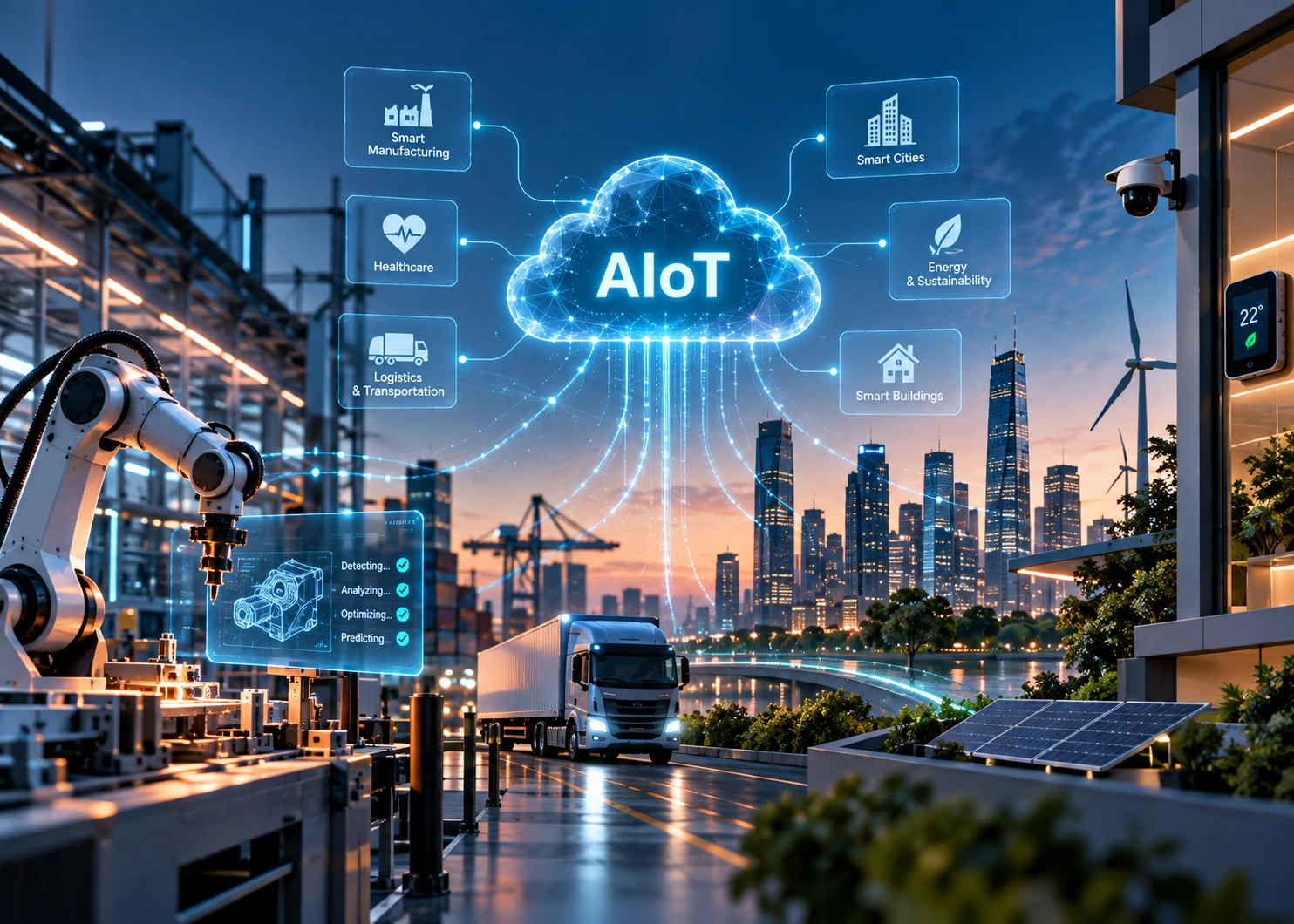
AIoT: How AI and IoT Are Creating Smarter Connected Systems
The Internet of Things (IoT) has transformed the way businesses connect devices, collect data, and monitor physical environments. But collecting data is only the beginning. The next step is making that data intelligent. AIoT, or Artificial Intelligence of Things, combines artificial intelligence with IoT to create connected systems that can analyze information, identify patterns, make…
Uncategorized
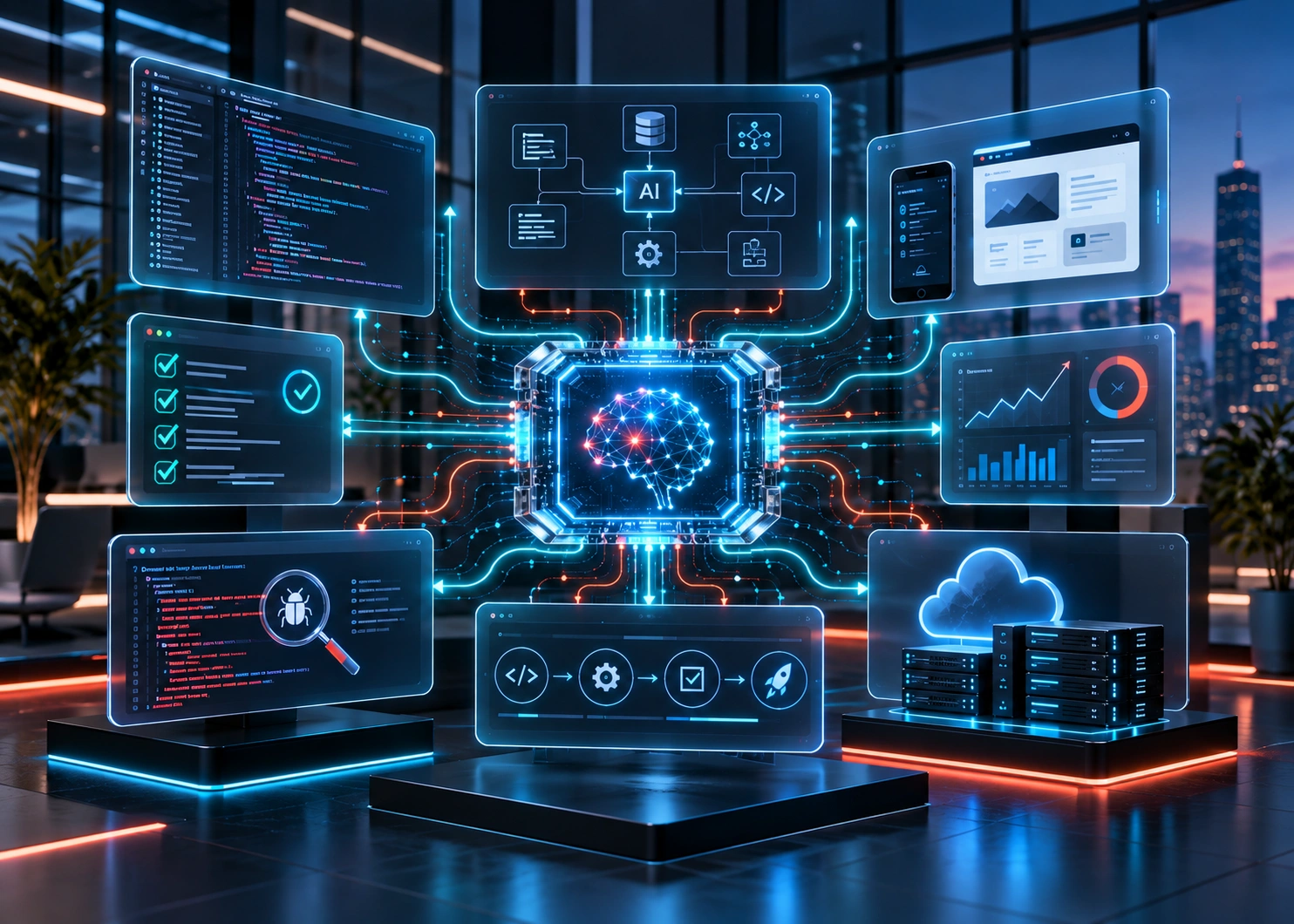
AI-Native Software Development: How AI Is Changing the Way Software Is Built
Software development is entering a new phase. Artificial intelligence is no longer being used only as a coding assistant that suggests a few lines of code. AI is increasingly becoming part of the entire software development lifecycle—from planning and architecture to coding, testing, deployment, monitoring, and maintenance. This shift is known as AI-native software development.…
Uncategorized
How to Migrate a Domain Safely Without Downtime
Your domain is more than a web address. It connects customers to your website, email, applications, landing pages, and other digital services. When you need to move your domain to a new registrar, poor planning can lead to unnecessary downtime, broken email, DNS problems, or delays. The good news is that domain migration does not…