
AI vs Cloud vs Scalability: Where DevOps Will Make the Biggest Impact
AI vs Cloud vs Scalability: Where DevOps Will Make the Biggest Impact
DevOps has already transformed how software is built, tested, and deployed—but the next wave of innovation is just beginning.
As organizations race toward digital transformation, three forces are shaping the future of DevOps: artificial intelligence, cloud computing, and scalability. Many modern applications leverage AI-powered systems to enhance automation and decision-making. Each promises massive impact, but the real question is—where will DevOps make the biggest difference?
From smarter automation to faster deployments and resilient infrastructure, the coming years will redefine how teams work.
In this blog, we’ll break down key DevOps trends 2026, explore the role of AI in DevOps, and examine how the DevOps automation future will evolve across cloud and scalability domains.
Understanding the Future of DevOps
The future of DevOps lies in deeper automation, smarter decision-making, and seamless integration across systems.
Key shifts include:
- Increased reliance on automation
- Data-driven decision-making
- Faster release cycles
- Enhanced collaboration between teams
DevOps is no longer just about CI/CD pipelines—it’s becoming the backbone of modern software development.
The Role of AI in DevOps
One of the most transformative aspects of the future of DevOps is the rise of AI in DevOps.
How AI Is Changing DevOps
AI is enabling:
- Predictive analytics
- Intelligent monitoring
- Automated incident response
Instead of reacting to issues, teams can now predict and prevent them.
Key Benefits of AI in DevOps
- Faster troubleshooting
- Reduced downtime
- Improved system performance
- Enhanced security detection
Real-World Applications
- AI-driven log analysis
- Automated testing
- Smart deployment strategies
AI is turning DevOps into a proactive, rather than reactive, discipline.
Cloud Computing and DevOps Evolution
Cloud platforms have been a major driver of DevOps adoption—and they will continue to shape the DevOps automation future. Cloud-based applications are often delivered through scalable mobile and web platforms.
Why Cloud Matters
Cloud computing offers:
- On-demand infrastructure
- Flexibility and scalability
- Cost efficiency
DevOps in the Cloud Era
With cloud integration, teams can:
- Deploy faster
- Scale applications instantly
- Manage infrastructure as code
Key Cloud Trends in DevOps
- Multi-cloud strategies
- Serverless computing
- Containerization (e.g., Kubernetes)
Cloud remains a foundational element of DevOps trends 2026.
Scalability: The Silent Game-Changer
While AI and cloud get most of the attention, scalability is where DevOps quietly delivers massive value.
What Is Scalability in DevOps?
Scalability refers to the ability of systems to handle increasing workloads without performance issues. Many scalable systems rely on IoT integrations to handle real-time data from connected devices.
Why Scalability Matters
Modern applications must:
- Handle millions of users
- Maintain performance under load
- Adapt to changing demand
DevOps and Scalable Systems
DevOps enables scalability through:
- Automation
- Continuous monitoring
- Infrastructure as code
Scalability ensures long-term success and reliability.
Comparing AI vs Cloud vs Scalability
Let’s break down where each area stands:
AI: The Intelligence Layer
- Enhances decision-making
- Automates complex processes
- Reduces manual intervention
Cloud: The Infrastructure Backbone
- Provides flexibility
- Enables rapid deployment
- Supports global access
Scalability: The Growth Engine
- Ensures performance at scale
- Supports business expansion
- Maintains user experience
Where Will DevOps Make the Biggest Impact?
While all three are critical, scalability combined with AI-driven automation will likely define the future of DevOps.
Why?
Because businesses need systems that are not only smart but also capable of handling massive growth.
DevOps Trends 2026 to Watch
Here are the top DevOps trends 2026:
AI-Driven Automation
Automation will become smarter and more autonomous.
Cloud-Native Development
Applications will be built specifically for cloud environments.
Continuous Everything
Continuous integration, delivery, testing, and monitoring.
DevSecOps
Security will be integrated into every stage of development.
Observability and Analytics
Advanced monitoring tools will provide deeper insights.
Challenges Ahead
Despite its growth, DevOps faces challenges:
Skill Gaps
Organizations need skilled professionals to manage advanced tools.
Tool Complexity
Too many tools can create confusion and inefficiency.
Security Concerns
As systems grow, so do vulnerabilities.
Cultural Resistance
Teams must adapt to new workflows and collaboration models.
Frequently Asked Questions
1. What is the future of DevOps?
The future of DevOps is centered around AI-driven automation, cloud-native development, and scalable infrastructure. These technologies enable faster deployments, improved system reliability, and more efficient software development processes.
2. How is AI used in DevOps?
AI helps with predictive analytics, automated testing, and intelligent monitoring.
3. Why is the cloud important for DevOps?
Cloud provides flexibility, scalability, and faster deployment capabilities.
4. What are the key DevOps trends for 2026?
AI automation, cloud-native development, DevSecOps, and continuous processes.
5. Will DevOps become fully automated?
While automation will increase, human oversight will still be important.
Conclusion
The future of DevOps is being shaped by powerful forces—AI, cloud, and scalability.
While cloud provides the foundation and AI adds intelligence, scalability ensures long-term success. Together, they are transforming how software is developed and delivered.
As we move toward 2026, organizations that embrace these changes will gain a competitive edge in speed, efficiency, and innovation.
Build Future-Ready Systems with AI and DevOps
As DevOps continues to evolve, integrating AI, cloud, and scalable architectures is essential for modern businesses.
Techvaders helps organizations build intelligent, scalable systems through advanced AI development solutions, modern mobile application development, and connected IoT integrations.
Whether you’re optimizing your development pipeline or building next-generation platforms, our team ensures your systems are ready for the future.
Uncategorized
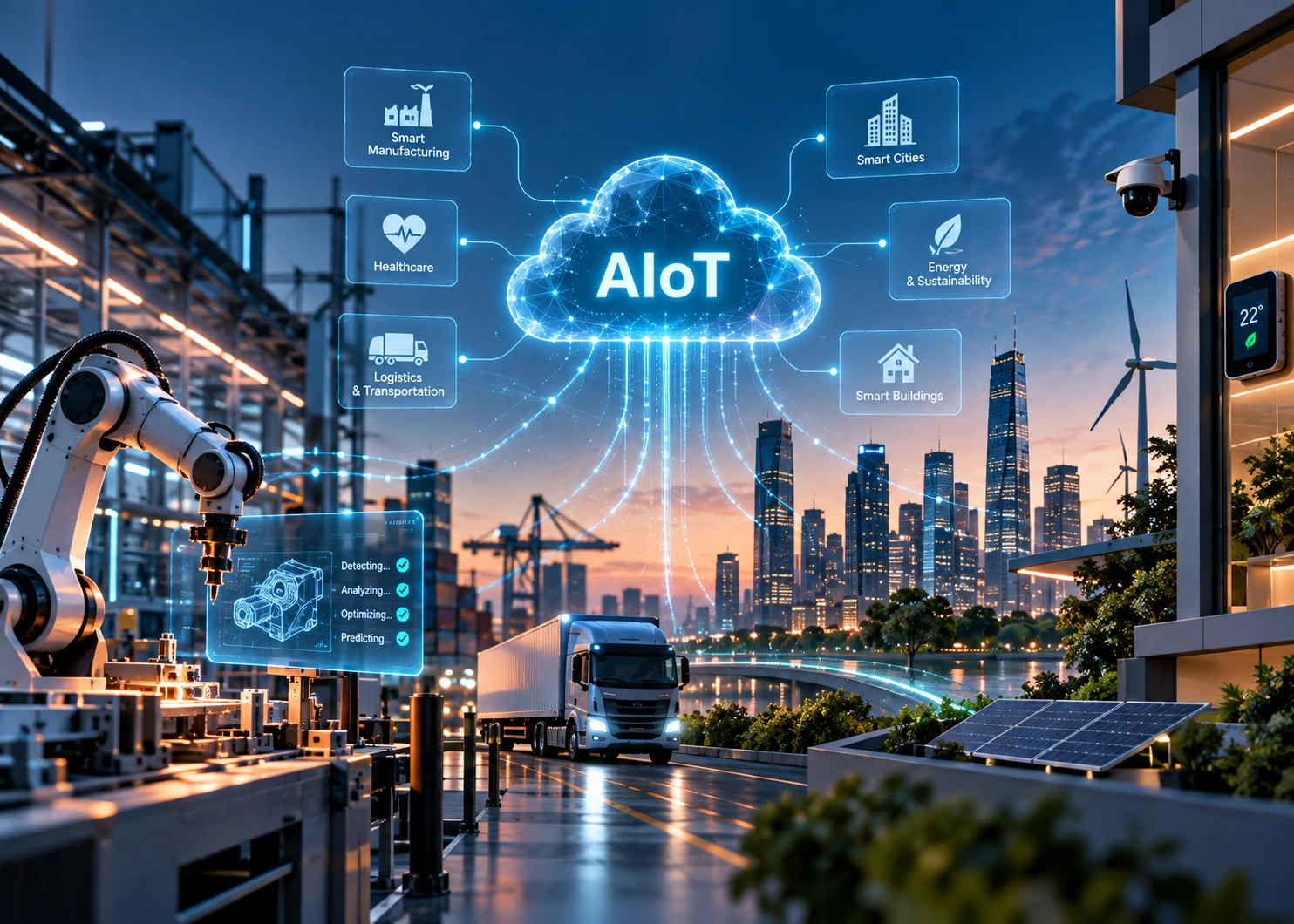
AIoT: How AI and IoT Are Creating Smarter Connected Systems
The Internet of Things (IoT) has transformed the way businesses connect devices, collect data, and monitor physical environments. But collecting data is only the beginning. The next step is making that data intelligent. AIoT, or Artificial Intelligence of Things, combines artificial intelligence with IoT to create connected systems that can analyze information, identify patterns, make…
Uncategorized
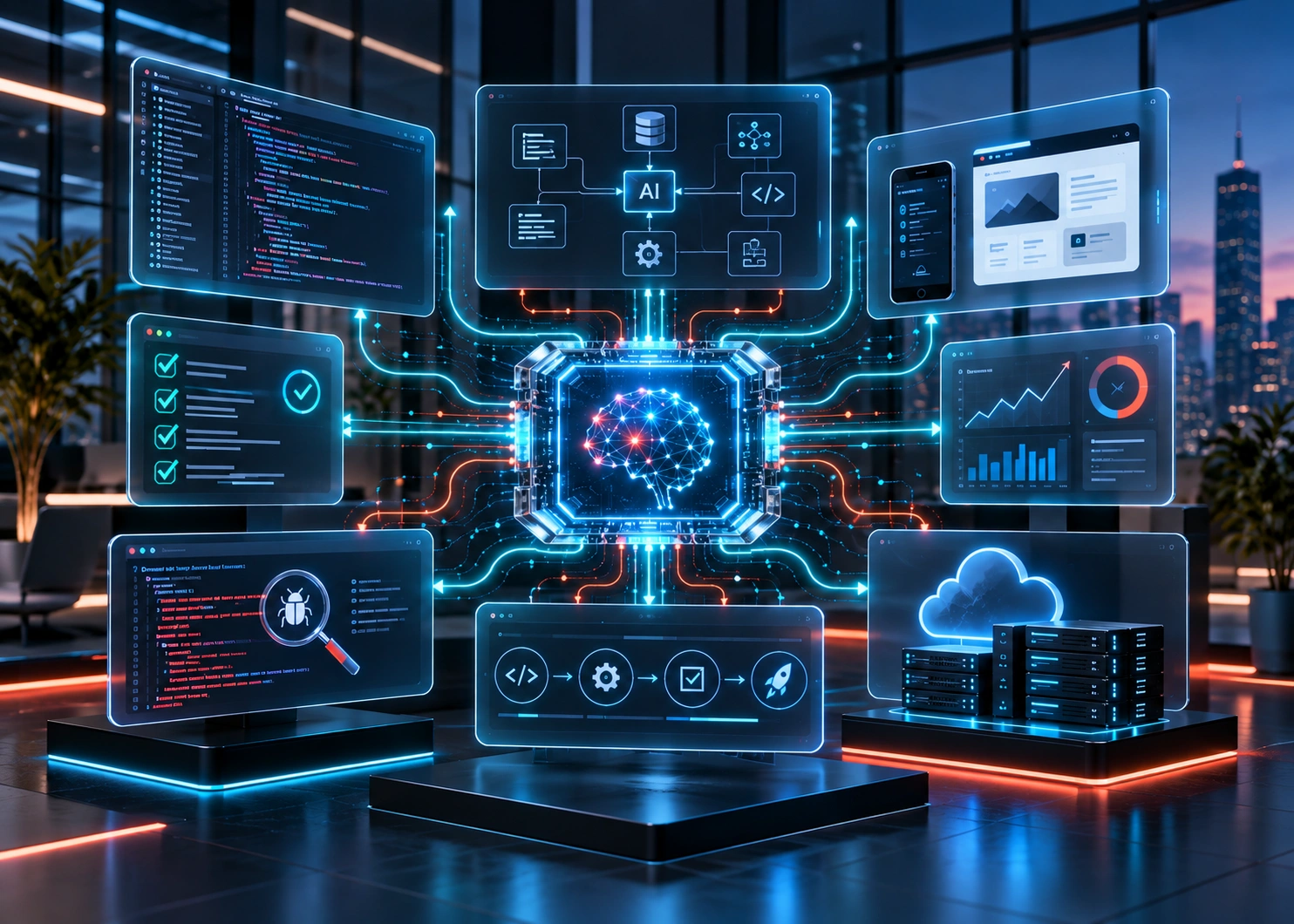
AI-Native Software Development: How AI Is Changing the Way Software Is Built
Software development is entering a new phase. Artificial intelligence is no longer being used only as a coding assistant that suggests a few lines of code. AI is increasingly becoming part of the entire software development lifecycle—from planning and architecture to coding, testing, deployment, monitoring, and maintenance. This shift is known as AI-native software development.…
Uncategorized
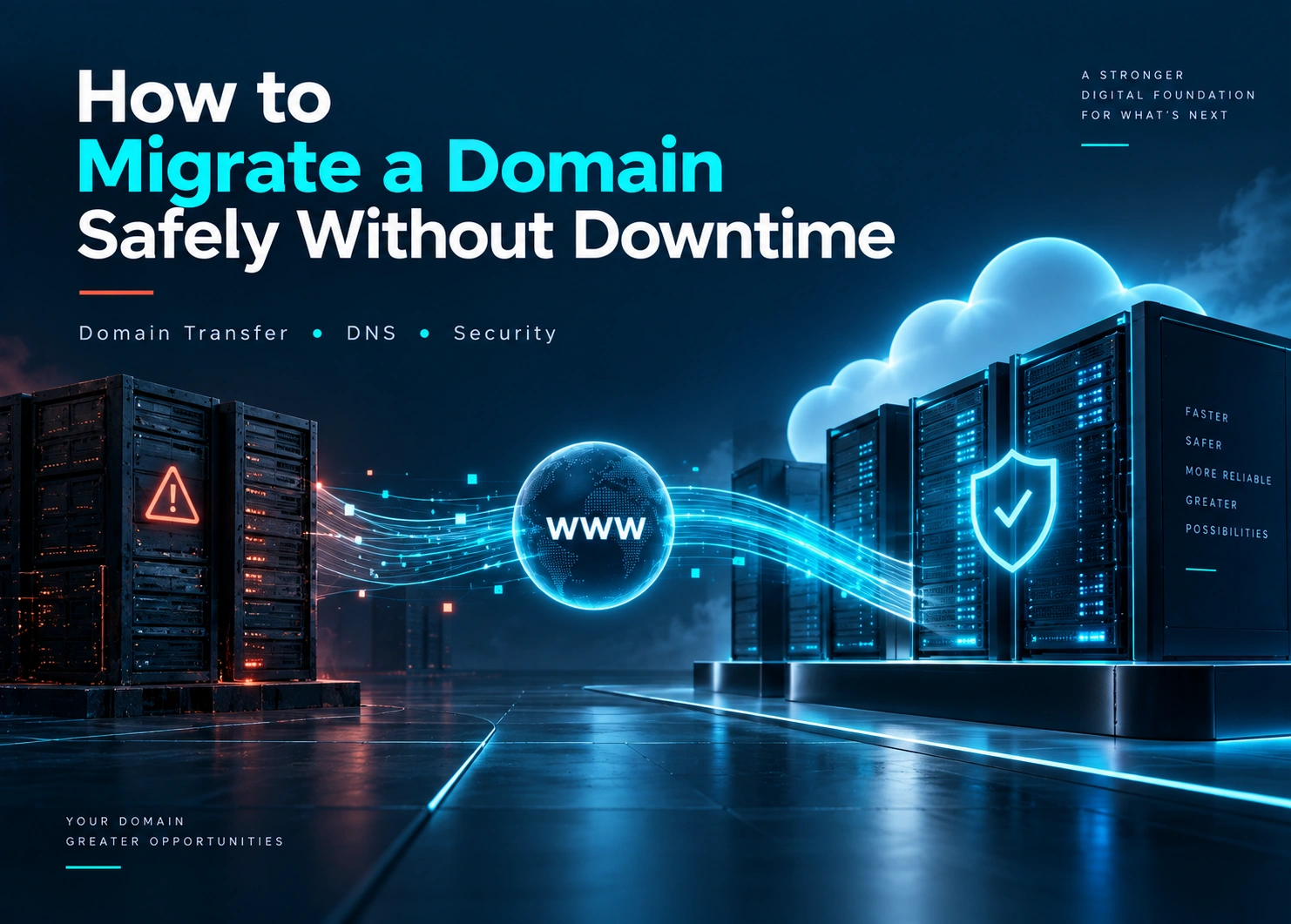
How to Migrate a Domain Safely Without Downtime
Your domain is more than a web address. It connects customers to your website, email, applications, landing pages, and other digital services. When you need to move your domain to a new registrar, poor planning can lead to unnecessary downtime, broken email, DNS problems, or delays. The good news is that domain migration does not…