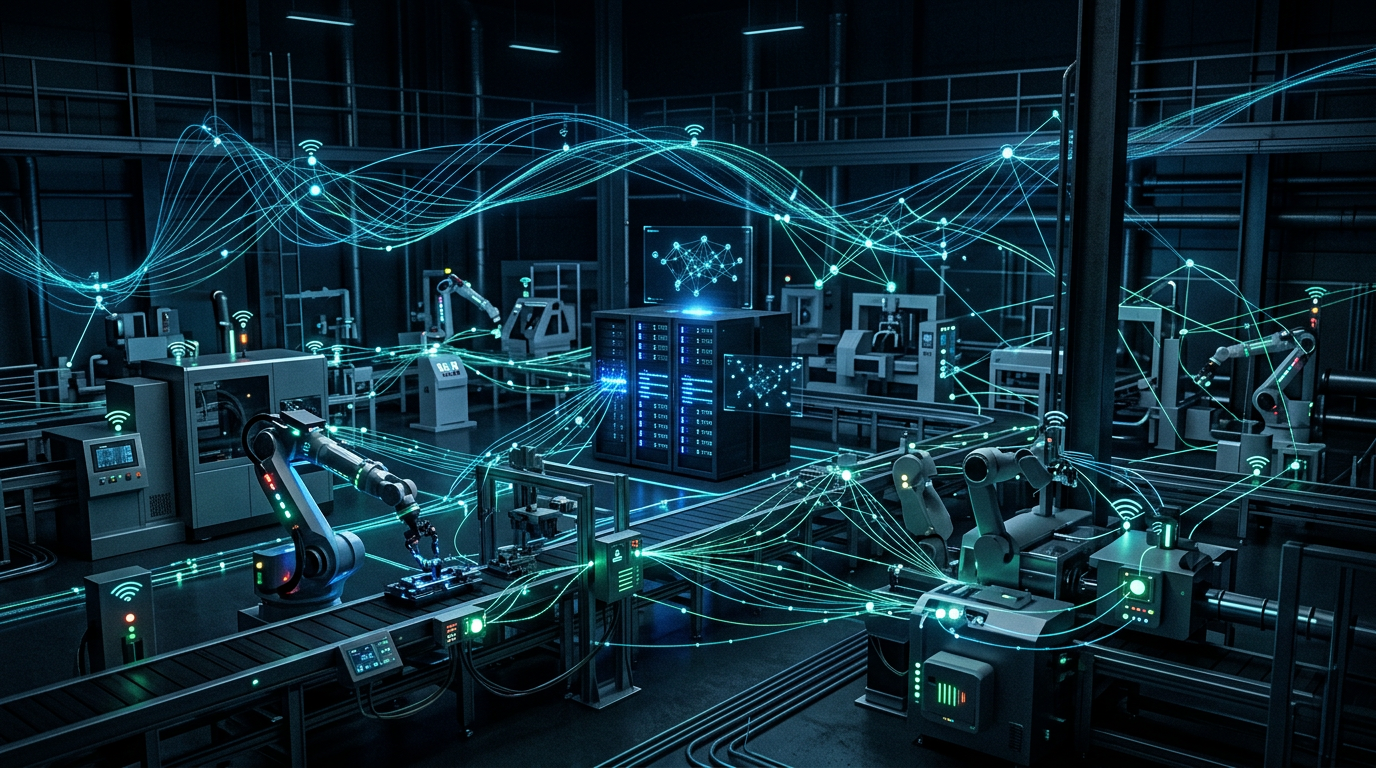
Why IoT Platforms Are Essential for Smart Operations
Posted By: Rohail Naveed / Mar, 11, 26
Why IoT Platforms Are Essential for Smart Operations
From manufacturing floors to supply chains and smart buildings, the Internet of Things (IoT) is turning physical operations into data-rich, automated systems. But raw sensor data alone isn't enough — you need a platform that can ingest, process, and act on that data reliably and at scale.
An IoT platform typically handles device connectivity, data pipelines, analytics, and sometimes edge computing. When designed well, it becomes the backbone of smart operations: real-time visibility, predictive maintenance, and automated responses that reduce cost and risk.
This article explores why investing in a robust IoT platform matters and what to look for when building or choosing one.
1. From Devices to Decisions : IoT generates enormous volumes of telemetry — temperature, vibration, location, status flags, and more. A platform must reliably collect this data from diverse devices and protocols (MQTT, HTTP, custom), normalize it, and store it in a way that supports both real-time dashboards and historical analysis.
Without a central platform, teams end up with siloed data, duplicated logic, and no single source of truth. A unified IoT platform turns device streams into a foundation for dashboards, alerts, and downstream analytics.
2. Real-Time and Edge Capabilities : Many use cases require low-latency responses: shutting down a machine when thresholds are exceeded, or adjusting settings based on live conditions. Edge computing — processing data on or near the devices — can reduce latency and bandwidth while keeping critical logic close to the source.
A good IoT platform supports both cloud and edge deployment, so you can run rules and analytics where they make the most sense and scale as your fleet grows.
3. Security and Reliability : Connected devices expand the attack surface. Authentication, encryption in transit and at rest, and secure over-the-air updates are non-negotiable. The platform should also support device lifecycle management: provisioning, monitoring health, and retiring or replacing devices without disrupting operations.
Reliability is equally critical: message queuing, retries, and graceful degradation ensure that temporary network or backend issues don't cause data loss or blind spots in monitoring.
Conclusion : IoT platforms are the bridge between physical operations and digital intelligence. By centralizing connectivity, data, and analytics, they enable smarter decisions, predictive maintenance, and automation that would be impossible with disconnected systems. Whether you're building in-house or partnering with experts, investing in a solid IoT foundation is essential for long-term smart operations.

AI
Agentic AI: The Next Evolution of Intelligent Systems
As businesses increasingly seek intelligent automation, Agentic AI is emerging as a transformative technology that enables organizations to operate faster, smarter, and more efficiently.
Mobile
Building Scalable Mobile Apps in 2025: iOS, Android, and Beyond
From native to cross-platform, the mobile landscape keeps evolving. Here's how to choose the right approach and build apps that scale with your business and your users.
Delivering scalable software that drives real business growth.